

Introduction
The world is constantly changing, and staying informed about current affairs has become an important part of everyday life. Political decisions, economic developments, technological innovations, environmental concerns, and international relationships influence societies in different ways. Events happening in one country can create consequences across several regions, making global awareness increasingly valuable. In this environment, digital news platforms have changed how people discover information, follow important developments, and understand events beyond their immediate surroundings. Newscod fits into this broader discussion about digital news consumption and the growing importance of accessible information in a rapidly changing global landscape.
Modern readers no longer depend entirely on newspapers, television broadcasts, or scheduled news programs. They increasingly use smartphones, computers, and online platforms to follow developments throughout the day. This shift has made information more accessible, but it has also increased the responsibility of readers to evaluate the reliability of what they consume. With thousands of updates appearing across digital channels, understanding the context behind a headline is just as important as knowing what happened. A well-informed reader needs accurate reporting, balanced perspectives, and useful explanations to understand the bigger picture.
Understanding the Importance of Current Affairs in Modern Society
Current affairs cover events and developments that influence communities, countries, and international relationships. They include government policies, elections, financial changes, scientific discoveries, social movements, public health developments, and environmental challenges. Understanding these subjects allows people to recognize how decisions made by governments, businesses, and international organizations can affect everyday life.
For example, changes in international trade policies can influence product prices, employment opportunities, and business operations. Similarly, decisions concerning energy production can affect transportation costs and household expenses. When readers understand the relationship between different events, they can make better-informed decisions and participate more meaningfully in public discussions. Current affairs are therefore not limited to political enthusiasts or professional researchers; they are relevant to students, employees, business owners, and ordinary citizens.
Newscod represents an opportunity to explore how digital information platforms can support this growing interest in global developments. Readers increasingly want information that is easy to understand and available without unnecessary delays. However, staying informed should involve more than checking headlines. Understanding the background, examining different viewpoints, and recognizing possible consequences help turn daily news consumption into meaningful knowledge.
How Digital News Platforms Are Transforming Information Access
Digital technology has fundamentally changed the way news travels from reporters to audiences. Traditional publishing methods often involved fixed schedules and physical distribution systems. Online publishing has reduced many of these limitations by allowing publishers to release updates whenever significant developments occur. Readers can access breaking news, detailed reports, interviews, and analysis from different devices and locations.
The availability of digital news has also expanded the range of subjects that readers can explore. Someone interested in international relations can follow diplomatic developments, while another reader may prefer business news, education, science, or sports. Digital platforms make it easier to discover information across these categories without depending on a single publication format. This flexibility has helped create a more connected information environment.
Another important development is the growing popularity of mobile news consumption. Smartphones allow people to check important updates while travelling, taking breaks, or completing everyday activities. Publishers must therefore focus on mobile-friendly layouts, readable text, fast loading speeds, and straightforward navigation. Newscod can be discussed within this changing digital environment, where accessibility and convenient information discovery have become important expectations among online readers.
The Role of Newscod in Understanding Global Developments
Understanding global events requires access to information that explains not only what happened but also why it matters. International developments often involve complicated relationships between governments, businesses, communities, and institutions. A headline about a diplomatic meeting, for instance, may seem straightforward, but its significance can depend on earlier negotiations, economic interests, regional concerns, and long-term political relationships.
Newscod is relevant to the broader conversation about how readers approach digital news and develop an understanding of current affairs. Online information platforms can make it easier to explore different subjects and follow developments as they unfold. Readers benefit when information is presented in a clear structure, with meaningful explanations and enough background to understand the subject.
A useful digital news experience should also encourage curiosity. Rather than reading only one short update, audiences should have opportunities to explore related developments and understand how different events connect. For example, following a report about international economic conditions may encourage readers to learn more about inflation, currency movements, employment, and trade. This wider perspective makes news consumption more informative and valuable.
Major Areas of Current Affairs Readers Should Follow
The global information landscape includes several important areas that regularly influence public life. Following a balanced selection of subjects helps readers understand developments from different perspectives instead of concentrating entirely on one category.
Politics and International Relations
Political developments influence national policies, public services, international cooperation, and economic decisions. Elections, legislative changes, diplomatic meetings, and international agreements can affect millions of people. Understanding political news requires examining the decisions involved, the institutions responsible, and the possible consequences for different communities.
International relations are particularly important because countries depend on one another through trade, security arrangements, technology, education, and cultural exchange. Diplomatic tensions may affect international markets, while cooperative agreements can create opportunities for investment and development. Readers who follow these developments gain a better understanding of how national interests influence global relationships.
Economy and Business Developments
Economic affairs influence employment, purchasing power, business confidence, and household budgets. Inflation, interest rates, taxation, international trade, and investment trends are subjects that deserve attention because they affect everyday financial decisions. A change in energy prices, for example, may influence transportation expenses, manufacturing costs, and the price of essential products.
Business developments also reveal how industries respond to changing consumer expectations and economic conditions. Companies may introduce new products, adopt different technologies, or adjust their operations to remain competitive. Following economic news helps readers understand these changes and recognize their wider effects on society.
Science, Technology, and Innovation
Scientific research and technological progress continue to influence education, communication, healthcare, transportation, and business operations. Artificial intelligence, automation, renewable energy, space exploration, and cybersecurity are among the subjects receiving significant attention in modern reporting.
Understanding technology-related current affairs requires more than knowing that a new invention exists. Readers should consider how it works, who benefits from it, what limitations it has, and whether it creates new ethical or security concerns. This approach makes technology reporting more useful and helps audiences distinguish practical developments from exaggerated claims.
Environment and Climate Developments
Environmental issues have become central to global discussions because they influence agriculture, water availability, public infrastructure, and community safety. Extreme weather events, pollution, biodiversity loss, renewable energy projects, and climate policies are important subjects for readers to understand.
Environmental news often connects scientific evidence with government decisions and local experiences. For example, a report about changing rainfall patterns may have implications for farmers, water management authorities, and urban planning. Understanding these connections helps readers recognize why environmental developments require long-term attention.
How Newscod Connects Readers With a Changing News Environment
The rapid growth of online information has created new expectations among audiences. Readers want timely updates, understandable explanations, and convenient access to different subjects. Digital publishing has responded to these expectations by introducing flexible content formats, mobile-friendly experiences, and faster distribution methods.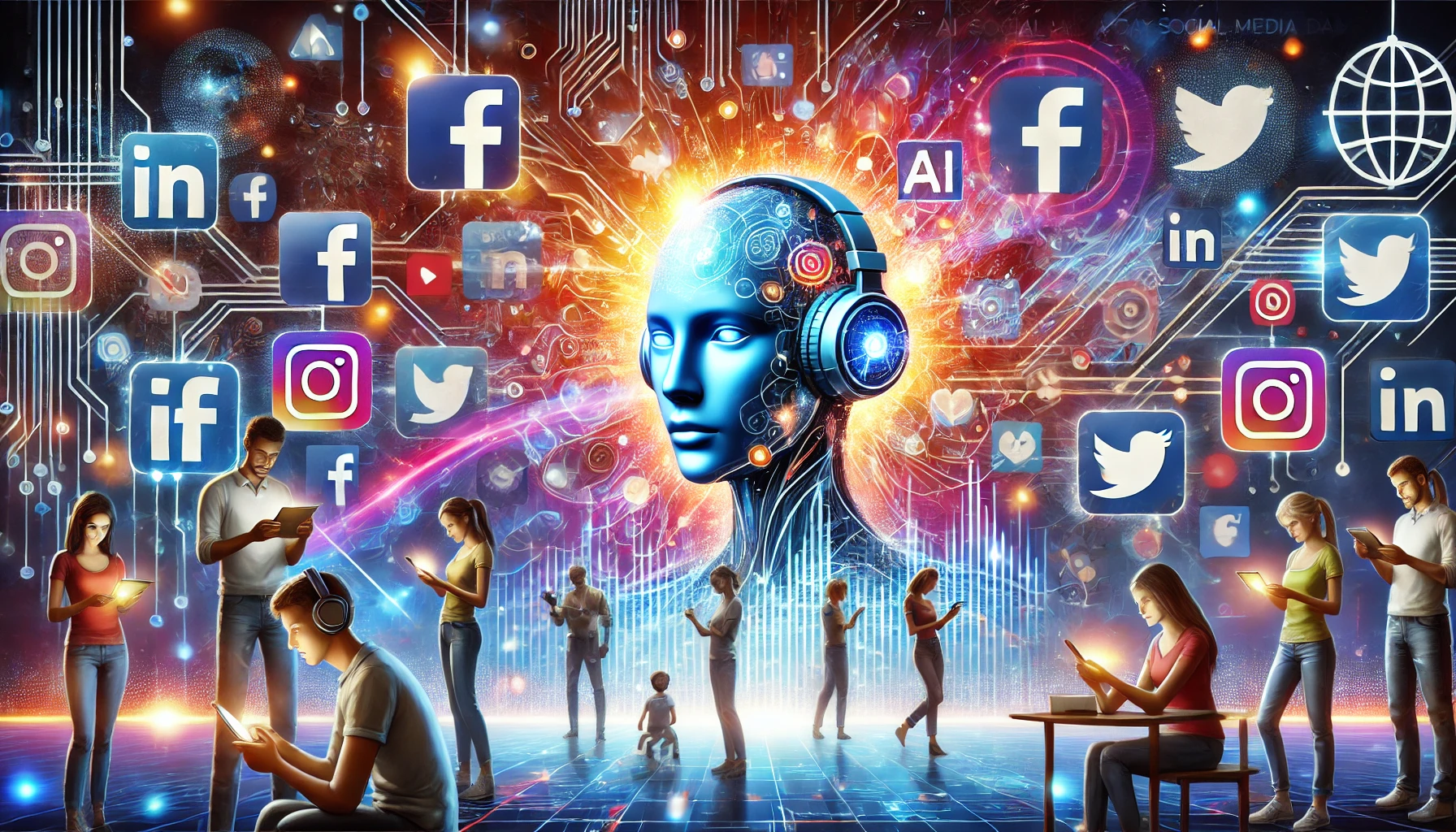
Newscod can be considered in relation to this wider shift in how people explore current affairs. The value of a digital news platform depends on how effectively information is organized and communicated. Readers should be able to identify the subject of an article, understand its main points, and explore the broader context without unnecessary difficulty.
Consistency is another important factor. Following current affairs occasionally may provide information about individual events, but regular reading can help audiences recognize patterns and understand long-term developments. For instance, following economic reports over several months may reveal how inflation, employment, and government policies influence one another. This continuous learning process helps readers develop a more informed understanding of the world.
The Influence of Social Media on Current Affairs
Social media has become a major channel through which people discover breaking developments and discuss public issues. Short posts, photographs, videos, and live broadcasts allow information to reach large audiences quickly. News organizations, journalists, public institutions, and individuals use these channels to communicate updates and share different perspectives.
One important advantage of social media is the speed at which information can circulate. During major events, eyewitnesses may share photographs or videos before traditional news organizations complete their initial reports. This can provide useful material for journalists, but it also creates challenges involving verification, context, and accuracy.
Not every widely shared post represents reliable information. Old photographs may be presented as recent events, edited videos can create misleading impressions, and unsupported claims may spread through repeated sharing. Readers should therefore avoid treating popularity as proof of accuracy. Newscod and other digital news-related platforms can be understood within this environment, where responsible information consumption is becoming increasingly important.
The Importance of Fact-Checking and Reliable Reporting
Reliable reporting is essential because public understanding depends on the quality of information people receive. In a fast-moving digital environment, incomplete or inaccurate stories can influence opinions before the facts become clear. Responsible journalism requires careful research, source verification, and editorial review.
Fact-checking involves examining claims, reviewing original documents, comparing independent accounts, and checking whether information has been presented accurately. When an article discusses official statistics, readers should be able to understand where the figures came from and what they actually represent. Similarly, statements attributed to public figures should be checked against their original context whenever possible.
A few useful habits can help readers evaluate online information:
-
Check the original source: Identify who published the report and whether the source is credible.
-
Review the publication date: Confirm that the information is recent and relevant.
-
Compare independent reports: Examine how other reliable news organizations describe the same event.
-
Look for supporting evidence: Check whether important claims include documents, data, or verified statements.
-
Recognize opinion: Understand the difference between factual reporting, commentary, and personal interpretation.
These practices are particularly valuable when following sensitive political, economic, or international developments. A careful reader does not accept every headline immediately but takes time to examine the available evidence.
Understanding Different Perspectives in Global News
Global events rarely affect every country or community in the same way. A trade agreement may create opportunities for exporters while increasing competitive pressure on certain domestic industries. A new environmental policy may benefit some regions while requiring significant adjustments in others. Understanding these differences is necessary for developing a balanced view of international affairs.
Reading reports from different credible sources can help audiences recognize how perspectives vary. However, considering multiple viewpoints does not mean treating every claim as equally accurate. Readers should evaluate the evidence supporting each position and distinguish between legitimate differences of interpretation and statements that lack factual support.
Newscod is relevant to this broader approach to digital news awareness because modern readers increasingly need to navigate information from different sources and viewpoints. Developing a balanced understanding requires curiosity, patience, and a willingness to examine information beyond the first report encountered.
How Technology Is Improving the Digital News Experience
Technology continues to improve how news is researched, organized, and delivered. Artificial intelligence can assist with transcription, translation, data analysis, and content categorization. Cloud-based systems allow editorial teams to manage information and collaborate across different locations. Mobile applications and responsive websites make it easier for readers to access news throughout the day.
Data analytics also helps publishers understand general audience behavior. By studying which topics attract attention and how readers interact with articles, editorial teams can identify areas where content may need improvement. For example, if readers frequently search for explanations of a complicated economic issue, publishers may develop more accessible background articles.
| Technology | Application in Digital News | Reader Benefit |
|---|---|---|
| Artificial Intelligence | Research support and translation | Easier access to information |
| Data Analytics | Audience interest analysis | More relevant content |
| Mobile Technology | Smartphone-based news access | Greater convenience |
| Cloud Computing | Digital content management | Faster collaboration |
| Multimedia Tools | Video, audio, and visual reporting | Better understanding of complex topics |
Although these tools can improve efficiency, technology should not replace editorial judgment. Automated systems may produce incorrect summaries, misunderstand context, or repeat inaccurate information. Human review remains necessary to ensure that published content is reliable and meaningful.
Challenges of Following Current Affairs in a Rapidly Changing World
The growing availability of news has created an unusual challenge: people have access to more information than ever, yet understanding important developments can sometimes feel difficult. Continuous notifications, repeated headlines, sensational content, and conflicting reports can make it challenging to identify what deserves attention.
Information overload is one of the most common problems. Readers may move between several platforms without spending enough time understanding any individual subject. This can create an incomplete picture of important events. Developing a regular reading routine and focusing on reliable sources can help reduce this problem.
Another concern is the growing circulation of misinformation. False claims can be designed to attract attention through emotional language or dramatic images. Readers who share such material without verification may unintentionally contribute to its spread. Digital publishers also face pressure to publish quickly, which makes strong editorial standards especially important.
Privacy and cybersecurity deserve attention as well. Online platforms may collect information about user activity, preferences, and browsing behavior. Readers should understand privacy settings and exercise care when sharing personal details. Responsible digital participation involves evaluating both the information being consumed and the platforms through which it is accessed.
Building a Consistent Habit of Reading Current Affairs
Developing a regular news-reading habit can improve general awareness and help people understand long-term developments. Instead of constantly checking every available update, readers can create a balanced routine that includes important national and international subjects. This approach makes information consumption more manageable and encourages deeper understanding.
A useful routine might involve reading a short daily news summary, exploring one detailed report, and reviewing important developments at the end of the week. Students can use current affairs to support their academic learning, while professionals may follow economic, technological, or industry-related developments relevant to their work.
Newscod can be associated with this broader interest in making digital news discovery part of everyday learning. Readers should aim to understand the reasons behind events rather than simply memorizing headlines. Taking notes, comparing reports, and discussing important developments can make the learning process more effective.
The most valuable habit is consistency combined with critical thinking. Spending a reasonable amount of time reading reliable information is generally more useful than continuously scrolling through unverified updates. Over time, readers can develop stronger awareness of international relationships, economic changes, social developments, and technological progress.
The Future of Digital News and Global Awareness
The future of digital journalism will likely be shaped by continued technological innovation and changing audience expectations. Artificial intelligence, personalized recommendations, multilingual publishing, interactive reporting, and improved mobile experiences may create additional ways for people to explore current affairs. These developments could make news more accessible to audiences who face language, geographical, or technical barriers.
At the same time, publishers will need to address concerns involving misinformation, data privacy, automated content, and editorial independence. Personalized recommendations can make information more relevant, but they may also limit exposure to different perspectives if not designed carefully. Digital news organizations should encourage audiences to explore a variety of subjects and viewpoints rather than remaining within narrow information patterns.
For Newscod, the wider future of digital news highlights the importance of accessibility, clarity, and responsible communication. Readers will continue to value platforms that help them understand important developments without making information unnecessarily complicated. The strongest digital news experiences will combine technological convenience with meaningful reporting, transparent editorial practices, and respect for audience trust.
Conclusion
Understanding current affairs has become increasingly important in a world where political decisions, economic developments, technological innovations, and environmental challenges influence one another. Digital news platforms have made information easier to access, allowing readers to follow national and international events through convenient online channels. However, the growing availability of news also makes critical thinking, fact-checking, and responsible information consumption essential.
Newscod represents a relevant subject within the broader discussion of how readers interact with digital information in a rapidly changing global landscape. Modern audiences need more than quick headlines; they need reliable reporting, meaningful context, and opportunities to understand different perspectives. Technology can support this process by improving accessibility, organizing information, and introducing new ways to explore important subjects.
Ultimately, becoming well-informed requires a balance between staying updated and understanding what the information actually means. By developing consistent reading habits, checking sources, and examining global developments from different perspectives, readers can build stronger awareness of the world around them. As digital journalism continues to evolve, accuracy, transparency, accessibility, and public trust will remain essential to meaningful news consumption.

