

Introduction
Society is constantly changing as new ideas, technologies, public discussions, and cultural influences shape the way people live. Developments that once took years to influence communities can now spread across cities, countries, and continents within a few hours. From education and employment to healthcare, environmental awareness, digital communication, and public policies, almost every aspect of everyday life is influenced by ongoing social changes. Understanding these developments is important because they affect individual decisions, community relationships, and the direction in which society moves. Citizens who remain informed are better prepared to understand emerging challenges, recognize opportunities, and participate in meaningful conversations about their communities.
In this changing environment, news platforms have an important responsibility to make information accessible and understandable. Newscod represents an approach to following current affairs and social developments with greater awareness and curiosity. Rather than viewing news as a collection of unrelated headlines, readers can explore how different events connect with broader social patterns. Whether the subject involves changing workplace expectations, educational reforms, public welfare, technological developments, or cultural conversations, understanding the background of an issue helps readers develop a more balanced perspective. An informed citizen does not simply know what happened but also tries to understand why it happened and how it might influence society.
Understanding the Major Social Changes Shaping Modern Society
Social developments are not limited to political announcements or major national events. They include the gradual changes in people’s attitudes, lifestyles, relationships, economic conditions, and expectations from public institutions. For example, the growing acceptance of remote working has changed how employees balance professional and personal responsibilities. Similarly, increasing awareness of mental well-being has encouraged families, schools, and workplaces to discuss subjects that were previously overlooked. These changes may appear small at first, but their combined influence can reshape communities over time. Following such developments helps readers recognize the reasons behind changing social behaviour instead of judging events without understanding their background.
Another important development is the increasing connection between local concerns and global conversations. Environmental protection, women’s participation in the workforce, affordable education, public healthcare, and equal opportunities are discussed across different regions. However, each community experiences these issues differently because its economic conditions, cultural traditions, and public resources are different. A responsible news-reading approach should therefore consider local circumstances while examining wider developments. Newscod can serve as a useful reference point for readers interested in exploring these subjects and understanding how social changes influence ordinary people.
The Growing Importance of Reliable News in Everyday Life
Reliable information plays an essential role in modern society because people make important decisions based on what they read, watch, and hear. News about employment opportunities, educational policies, public transportation, healthcare facilities, and economic conditions can directly affect everyday choices. When readers receive accurate information with sufficient background, they can understand the possible consequences of a development and respond more thoughtfully. On the other hand, incomplete headlines and misleading claims can create unnecessary confusion, fear, or misunderstanding.
The challenge today is not simply finding information but identifying which information deserves attention. Digital platforms publish enormous amounts of content throughout the day, making it difficult to distinguish meaningful developments from exaggerated stories. Readers should look for clear reporting, identifiable sources, relevant dates, and supporting evidence. They should also compare important claims with established news organizations or official announcements before accepting them as facts. Following Newscod with an analytical mindset can encourage readers to become more selective about the information they consume and more interested in understanding the wider meaning of current affairs.
How Digital Media Is Transforming Social Awareness
Digital media has significantly changed the relationship between information and society. In earlier times, many people depended primarily on newspapers, television broadcasts, and radio programmes to understand public developments. Today, smartphones and internet-based platforms allow individuals to discover news, discuss public concerns, and exchange opinions almost instantly. This development has made information more accessible to students, professionals, business owners, and people living in smaller communities. It has also created opportunities for individuals to participate in discussions that previously remained limited to traditional media audiences.
However, greater access does not automatically guarantee better understanding. Social media algorithms often recommend content based on previous viewing behaviour, which can expose users to similar opinions repeatedly. Over time, this may limit their awareness of different perspectives. Another concern is the circulation of edited videos, misleading photographs, fabricated statements, and AI-generated material. Such content can influence public opinion before its authenticity is properly examined. Readers should develop the habit of checking original sources, examining publication dates, and distinguishing factual reporting from personal commentary. A balanced approach to digital news consumption makes social awareness more meaningful and reduces the possibility of being influenced by unverified information.
Important Social Issues Citizens Should Follow
Modern societies face several interconnected challenges that deserve regular public attention. These issues influence the quality of life, economic opportunities, social relationships, and the future of younger generations. Understanding them allows citizens to recognize where progress is taking place and where additional efforts are necessary.
Education and Equal Learning Opportunities
Education remains one of the strongest foundations of social development. It helps individuals improve their knowledge, develop practical skills, and participate more effectively in economic and community activities. The growing use of digital classrooms, online learning resources, and technology-supported teaching has created additional opportunities for students. At the same time, unequal access to reliable internet connections, suitable devices, trained teachers, and quality learning environments continues to create difficulties for many families.
Citizens should follow educational developments beyond examination results and admission announcements. Changes in school infrastructure, vocational training, scholarship programmes, teacher development, and digital literacy can have long-term consequences for communities. For example, providing practical technology education can help students prepare for changing employment requirements. However, digital learning should complement quality teaching rather than replace essential classroom support. Understanding both the benefits and limitations of educational changes helps readers form realistic expectations.
Employment and Changing Workplace Expectations
The employment landscape is also experiencing significant transformation. Automation, artificial intelligence, digital services, and changing business models are influencing the skills employers require. Some traditional responsibilities are becoming automated, while new opportunities are emerging in technology, healthcare, renewable energy, digital communication, and specialised services. These developments make continuous learning increasingly important for employees and young people entering the workforce.
Workplace expectations are changing as well. Many employees now place greater importance on professional flexibility, fair compensation, workplace safety, career development, and a healthy balance between work and personal responsibilities. However, opportunities are not distributed equally, and informal employment remains a significant concern in many economies. Citizens should pay attention to labour policies, skill-development initiatives, employment security, and opportunities for women and young workers. Such discussions provide a clearer understanding of how economic transformation affects different sections of society.
Healthcare and Community Well-Being
Healthcare is another essential area of social development because the strength of a community depends partly on the availability and quality of medical services. Public awareness of preventive healthcare, nutrition, sanitation, vaccination, and mental well-being has increased in many communities. Digital health services and remote consultations have also created additional ways for people to access medical guidance, particularly when travelling to healthcare facilities is difficult.
Nevertheless, access to affordable treatment, trained healthcare professionals, reliable medical infrastructure, and accurate health information remains uneven. Public discussions should consider the needs of rural communities, older citizens, children, and economically disadvantaged families. Readers should also distinguish professional medical guidance from unverified health advice circulating online. Following healthcare developments through responsible reporting can help people understand public health priorities without encouraging unnecessary anxiety.
Social Development Trends and Their Wider Impact
Different social developments often influence one another. For example, improved education can strengthen employment opportunities, while better employment conditions can improve household stability. Similarly, access to digital technology can support education and healthcare, but unequal connectivity may prevent some communities from receiving these benefits. This interconnected nature of social progress makes it important to examine developments from multiple perspectives.
The following table highlights some important areas of social change and their possible influence on communities.
| Area of development | Current social trend | Possible impact |
|---|---|---|
| Education | Digital learning and skill-based training | Greater learning flexibility and career preparation |
| Employment | Automation and changing workplace models | New opportunities and demand for updated skills |
| Healthcare | Preventive care and digital services | Improved awareness and access to information |
| Environment | Growing climate awareness | More attention to sustainable community practices |
| Technology | Increased use of AI and digital platforms | Greater convenience alongside new privacy concerns |
| Public participation | Online discussions and civic engagement | Wider access to public conversations |
These developments demonstrate why social awareness should involve more than reading individual headlines. Citizens need to understand how a change in one area may influence other aspects of everyday life. For example, the introduction of new technology in education may improve access to learning, but it may also increase the importance of digital infrastructure and teacher training. Looking at these connections provides a more complete understanding of social progress.
Environmental Awareness and the Responsibility of Citizens
Environmental concerns have become an important part of public discussions because climate conditions, pollution, water availability, and natural resource management influence everyday life. Extreme weather events, changing rainfall patterns, rising temperatures, and pressure on local ecosystems can affect agriculture, public health, infrastructure, and household expenses. These challenges are particularly important for communities that depend heavily on natural resources for their livelihoods.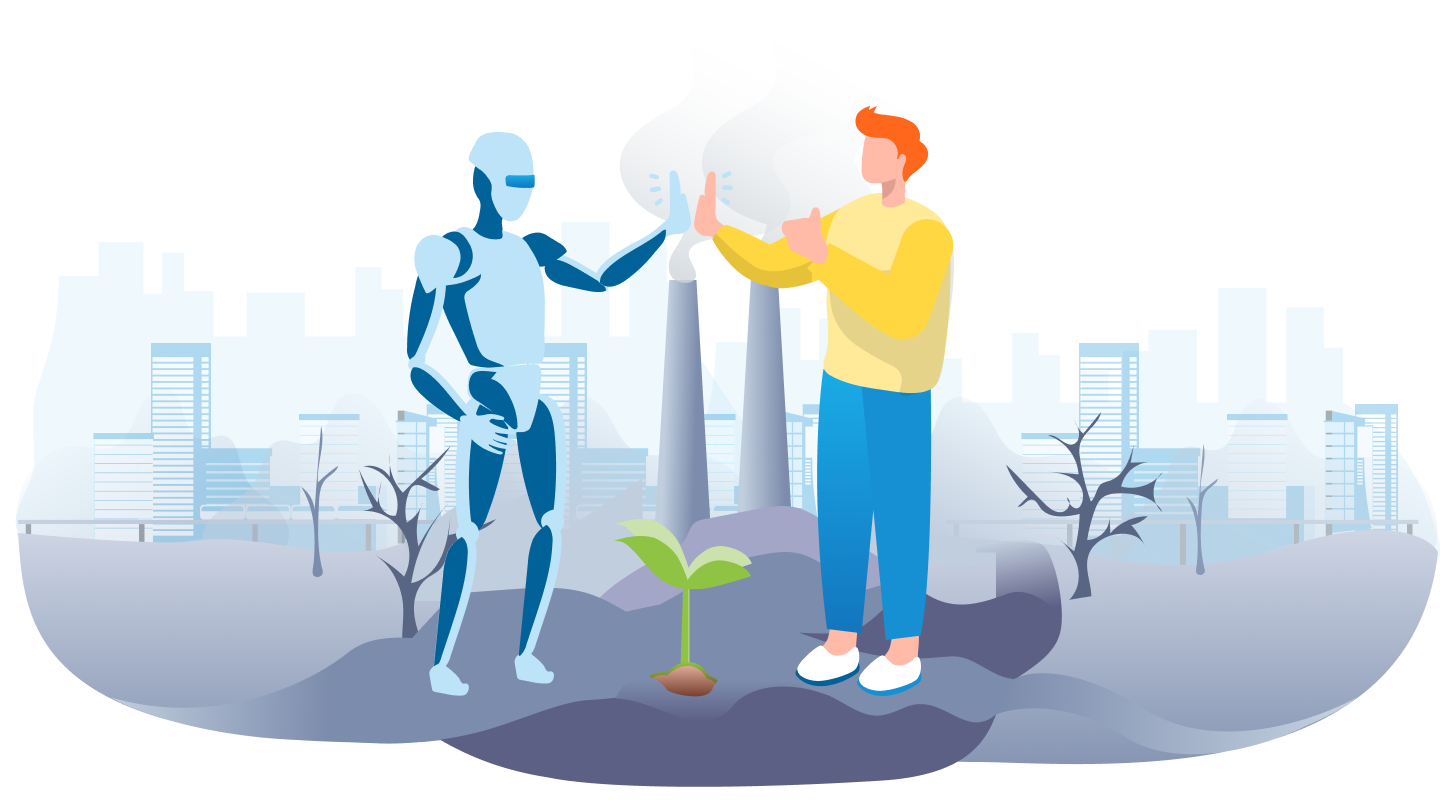
Citizens can contribute to environmental awareness by understanding local environmental policies, supporting responsible resource management, and adopting practical sustainable habits. Waste reduction, water conservation, responsible electricity consumption, and protection of green spaces are examples of actions that can support broader environmental goals. However, individual efforts should be accompanied by effective public policies, responsible industries, and community participation. News coverage that explains the causes and consequences of environmental problems can help people understand why long-term planning matters more than temporary reactions.
The Role of Newscod in Building Informed Citizens
Being an informed citizen requires curiosity, patience, and a willingness to examine different viewpoints. People should not depend entirely on headlines or short social media posts when trying to understand complicated subjects. They need information that provides context, explains relevant developments, and encourages thoughtful consideration. Newscod fits into this broader discussion as a news-focused reference for readers who want to remain aware of changing social conditions and current affairs.
A useful reading experience should help individuals explore subjects such as public policies, education, technology, economic developments, cultural changes, and community concerns. Readers can use these subjects as starting points for further research and discussion. For example, someone following employment-related developments might also explore vocational education, workplace regulations, and technological innovation. Similarly, a reader interested in environmental issues may benefit from understanding local government initiatives, conservation efforts, and the economic consequences of climate-related challenges. Connecting different subjects makes news consumption more educational and less dependent on isolated events.
An important part of this process is maintaining a distinction between reporting and opinion. News explains developments, while commentary interprets them from a particular perspective. Both can contribute to public understanding, but readers should recognize their differences. Checking supporting information, considering alternative explanations, and avoiding immediate conclusions are valuable habits for anyone interested in social developments.
How Citizens Can Develop Better News-Reading Habits
Following social developments becomes more effective when readers develop a consistent approach to understanding information. Instead of checking news only when a major event attracts attention, individuals can make time to explore important subjects regularly. This habit helps them recognize gradual changes, understand ongoing discussions, and connect new developments with information they have already learned. Newscod can be considered part of a broader news-reading routine in which readers focus on meaningful information rather than simply consuming a large volume of daily updates.
Some practical habits can make news consumption more productive:
-
Check information sources: Give preference to reports that provide clear facts, dates, and identifiable sources.
-
Compare different perspectives: Read about important developments from multiple reliable sources before forming an opinion.
-
Understand the background: Explore the reasons behind an event instead of depending entirely on short headlines.
-
Avoid sharing unverified claims: Confirm important information before forwarding it through messaging applications or social media.
-
Focus on meaningful developments: Give attention to subjects that influence communities, public services, education, and everyday life.
These habits are useful for people of different age groups and professional backgrounds. Students can improve their general awareness, employees can understand changing workplace conditions, and families can stay informed about public services and community developments. The objective is not to follow every update but to understand the information that genuinely matters.
Challenges in Understanding Modern Social Developments
Although access to information has improved, understanding modern social developments is not always straightforward. One major challenge is information overload. People encounter hundreds of headlines, notifications, opinions, and videos every day. When too much information arrives within a short period, it becomes difficult to identify important developments or remember the details behind them. As a result, readers may become familiar with the names of major events without understanding their causes or consequences.
Another challenge is the growing influence of misinformation and social polarization. Public discussions sometimes become emotionally charged, particularly when they involve politics, cultural differences, economic difficulties, or sensitive community issues. Misleading information can increase misunderstandings and weaken public trust. Readers should therefore remain open to different viewpoints while maintaining a commitment to evidence and respectful discussion. It is equally important to recognize that complicated social problems rarely have simple explanations. Understanding the experiences of different communities can help citizens develop more balanced opinions and avoid unnecessary conflict.
Why Social Awareness Matters for Future Generations
Social awareness is particularly valuable for younger generations because they will experience the long-term consequences of today’s decisions. Changes in education, technology, employment, environmental protection, and public policy will influence the opportunities available to future workers and communities. Young people who understand these developments can make more informed educational choices, identify emerging career possibilities, and participate more confidently in public discussions.
Parents and educational institutions also have an important role in developing responsible information habits among young people. Students should learn how to evaluate sources, recognize misleading content, respect different perspectives, and distinguish evidence from personal opinion. These skills are becoming increasingly important in a world where digital content can be created and distributed quickly. Encouraging thoughtful news consumption can help young citizens become more independent thinkers and responsible members of society.
Furthermore, social awareness should not be limited to major cities or highly connected communities. Rural populations, smaller towns, and economically disadvantaged groups also need access to useful information. Public communication becomes more meaningful when information is available in understandable language and considers the different needs of society. Equal access to knowledge can strengthen participation and help more people contribute to community development.
The Future of News Consumption and Social Understanding
The future of news consumption will continue to be influenced by artificial intelligence, mobile technology, personalised content, and changing audience expectations. Automated tools may help readers organise information, identify related topics, and understand complex developments more efficiently. However, technology should support responsible journalism rather than replace human judgment, independent reporting, and editorial accountability. Accuracy, transparency, and public trust will remain important qualities of meaningful news coverage.
Readers are also likely to expect more relevant explanations instead of depending only on brief updates. They want to understand how policy decisions influence employment, why environmental challenges affect particular communities, and how technological changes influence daily routines. Platforms that encourage contextual reading and responsible information practices can contribute to stronger public awareness. In this evolving environment, Newscod reflects the importance of staying curious about social developments and approaching current affairs with an informed perspective.
The future will also require greater attention to digital inclusion. People who lack reliable internet access or digital skills may struggle to benefit from new information services. Making technology affordable, improving digital education, and protecting users from online exploitation will be important responsibilities for governments, institutions, and technology providers. Social progress becomes more meaningful when the benefits of innovation reach different sections of society rather than remaining limited to those who already have sufficient resources.
Conclusion
Understanding changing social developments is essential for anyone who wants to become an informed and responsible citizen. Society is influenced by continuous changes in education, employment, healthcare, technology, environmental conditions, public policies, and cultural attitudes. These developments are interconnected, and their effects can be seen in everyday decisions as well as long-term community progress. Following meaningful news helps individuals recognize these connections, understand emerging challenges, and develop opinions based on reliable information rather than assumptions.
Newscod represents an opportunity for readers to maintain an interest in current affairs and explore the social issues shaping modern communities. However, responsible news consumption also requires independent thinking, source verification, and consideration of different perspectives. Readers should avoid misinformation, question unsupported claims, and look beyond headlines to understand the background of important events. By developing these habits, individuals can improve their awareness, participate in constructive conversations, and make better-informed decisions. Ultimately, an informed society is built when people do not simply receive information but actively try to understand it and use that knowledge to contribute positively to the world around them.

